

 Request a quote
PO BOX 589
Endeavour Hills VIC 3802

Email Us

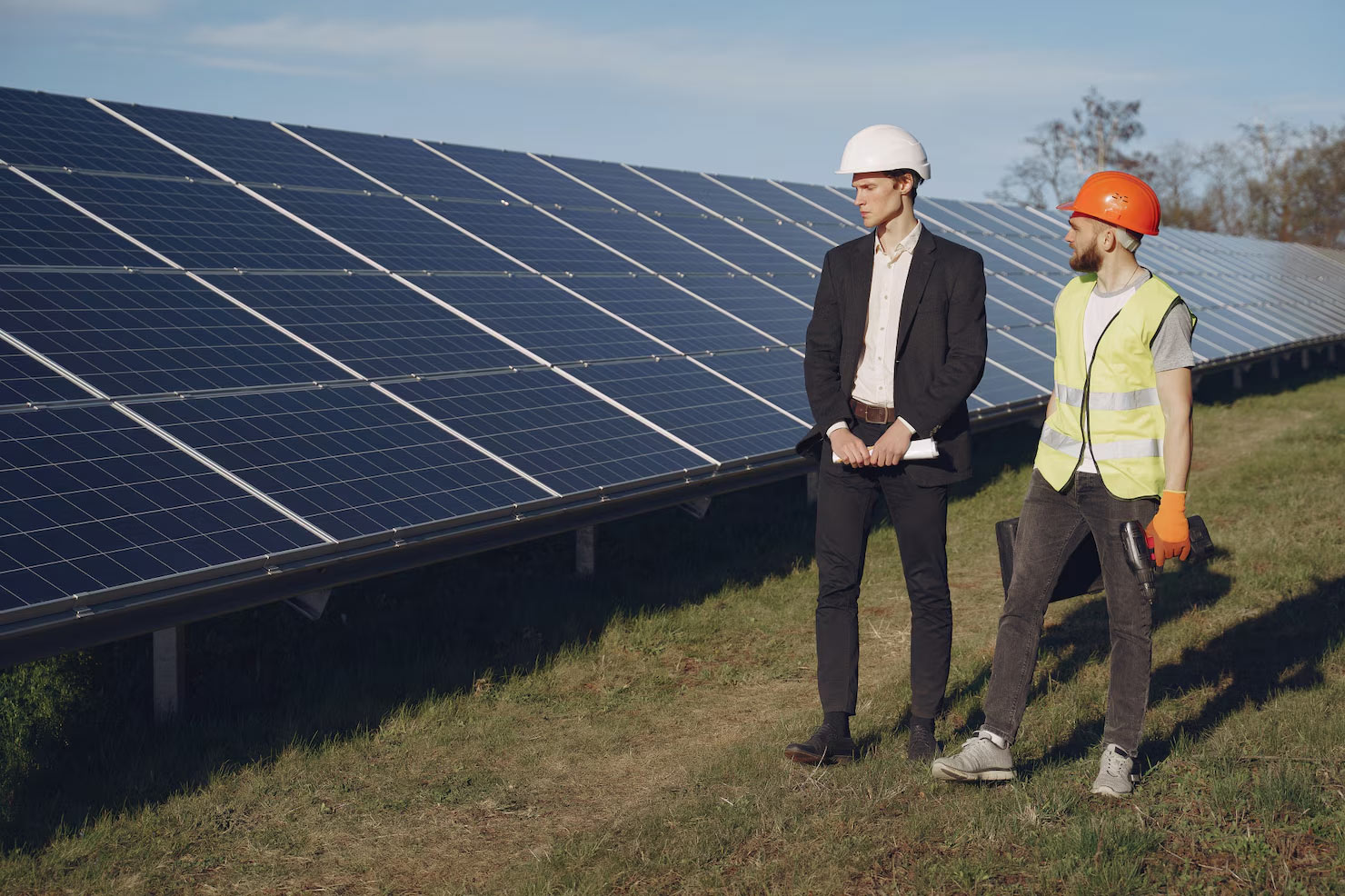
Switching your business to solar is one of those decisions that feels exciting and slightly daunting at the same time. Done well, it can seriously reduce running costs and future-proof your energy spend. Done poorly, you can end up with an underperforming system, messy approvals, or a warranty runaround when something goes wrong.
This guide is here to help Melbourne business owners choose the right commercial solar installer for their site, budget, and long-term energy goals.
A commercial solar install isn’t a “set and forget” purchase. It’s a project with engineering, safety, approvals, and long-term performance on the line.
A solid installer does three things well:
The difference between a good installer and an average one usually shows up months later—when performance doesn’t match the promise, monitoring is unclear, or you need help and can’t get anyone to return a call.
Before you compare companies, get clear on what you want solar to do for your business.
Are you mainly trying to:
Also look at how you actually use energy. A business with heavy daytime usage gets very different results from solar than a business that runs mostly at night.
As a rough guide, many mid-sized Melbourne businesses land somewhere in the 30 kW to 100 kW range, but the “right size” depends on your load profile, roof space, export limits, and budget. A good installer will ask for bills or interval data and talk through what makes sense—not jump straight to a one-size-fits-all system.
This is where you protect yourself.
In Australia, you want an installer who can show the right licensing and (ideally) Clean Energy Council (CEC) accreditation. CEC accreditation is a strong signal they’re operating to recognised standards for quality and safety.
You also want someone who understands Victorian requirements and commercial site realities—paperwork, safety documentation, access plans, and what’s needed to keep your project smooth rather than “surprise-heavy”.
If you’re relying on incentives or rebates, be wary of anyone who waves their hand and says, “Don’t worry, it’s all automatic.” A reputable installer should explain what applies, what doesn’t, and what evidence you’ll need.
“Experience” can mean a lot of things. The most useful proof is projects similar to yours—similar roof type, similar scale, similar operating hours, and ideally in Melbourne or nearby.
When reviewing past work, look for substance:
Also, don’t be shy about reviews and references. A confident installer won’t hesitate to share real examples and explain the outcomes.
A commercial solar system is only as good as the roof it sits on and the electrical infrastructure it connects to.
Your installer should inspect:
Some Melbourne sites can be trickier than people expect—CBD buildings, wind exposure, restricted access, heritage considerations, limited roof space, or complicated tenancy arrangements. A good installer will raise these early, not after you’ve accepted the quote.
Yes, panel and inverter brands matter. But system design is what usually decides whether you get a high-performing asset or a disappointing one.
A good design considers:
Be cautious of quotes that focus heavily on “premium panels” but are vague on design decisions. High-end components won’t save a poor layout, messy wiring, or unrealistic assumptions.
And watch for overly optimistic savings figures. Credible installers use your consumption data and realistic modelling, then explain the assumptions behind the numbers.
Think of the inverter as the engine of the system. Your options—string inverters, microinverters, optimisers (like SolarEdge)—can change how the system performs and how easily faults are detected.
For commercial sites, monitoring matters more than people think. You want to know:
The best monitoring setups don’t just show graphs—they help you catch issues early so performance doesn’t quietly slide for months.
In Melbourne, grid connection approvals can add time and complexity depending on the distributor, system size, and site specifics. A capable installer will manage the paperwork and keep you updated, because delays often come from small errors or missing information.
In practice, commercial solar projects can take weeks to several months from initial design to commissioning. The right company sets expectations clearly and communicates throughout, rather than disappearing until install day.
If you compare quotes by total price alone, you’ll almost always regret it.
A useful commercial proposal should clearly list:
Here’s a simple comparison table format you can use:
| Feature | Installer A | Installer B | Installer C |
| System Size (kW) | 100 kW | 100 kW | 95 kW |
| Panel Brand & Warranty | Brand X (25-year) | Brand Y (30-year) | Brand Z (25-year) |
| Inverter Type & Warranty | String (10-year) | Optimised (12-year) | String (10-year) |
| Estimated Annual Savings | A$15,000 | A$16,500 | A$14,000 |
| Total Upfront Cost | A$70,000 | A$78,000 | A$65,000 |
| Workmanship Warranty | 5 years | 10 years | 5 years |
A “cheaper” quote can become expensive if it excludes required electrical work, uses weaker components, or leaves you with limited support later.
Commercial solar warranties come in layers:
Just as important is what happens after commissioning. Ask what support looks like in real life:
Great installers don’t just install and vanish. They make it easy to keep the system performing well.
Some warning signs are subtle, others are neon.
Be cautious if you see:
If something feels off during quoting, it usually doesn’t get better after you pay.
If you’re early in your research phase, you may also find it helpful to review our guide on Top Mistakes to Avoid When Going Solar, which outlines common errors businesses make before installation even begins.
Use these to cut through the fluff:
Melbourne businesses work with GreenGen Solar because they want commercial solar done properly—designed for performance, installed safely, and supported long after commissioning.
We handle the full process end to end: site assessment, system design, approvals, installation, commissioning, and ongoing support. We use Tier 1 panels and modern inverter systems, and we focus on getting the engineering right so the system performs reliably for years.
If battery storage is part of your roadmap, we can advise on where it makes financial and operational sense (and where it doesn’t).
The best commercial solar installer isn’t the one with the flashiest pitch—it’s the one who does careful assessment, explains the design clearly, sets realistic expectations, and stands behind the system after it’s installed.
If you take the time to verify credentials, review comparable projects, and compare quotes based on scope and long-term value (not just price), you’ll end up with a system that genuinely delivers.
Learn more about how commercial solar systems are designed and installed across Melbourne on our Commercial Solar Systems Melbourne page.
How long does a typical commercial solar installation take in Melbourne?
Many commercial installs take a few weeks to a few months, depending on system size, site complexity, and grid connection approvals.
What maintenance is required after a commercial solar installation?
Usually not much day to day, but performance stays strongest with periodic inspections, monitoring, and panel cleaning when needed. Many installers offer maintenance and support plans.
Can commercial solar panels be installed during business hours without disruption?
Often yes. Installers typically plan works to minimise disruption and follow site safety requirements, scheduling higher-impact tasks outside peak times where possible.
Copyright © 2026 GreenGen Solar. All Rights Reserved. USA Web Design by Luminary Software