

 Request a quote
PO BOX 589
Endeavour Hills VIC 3802

Email Us

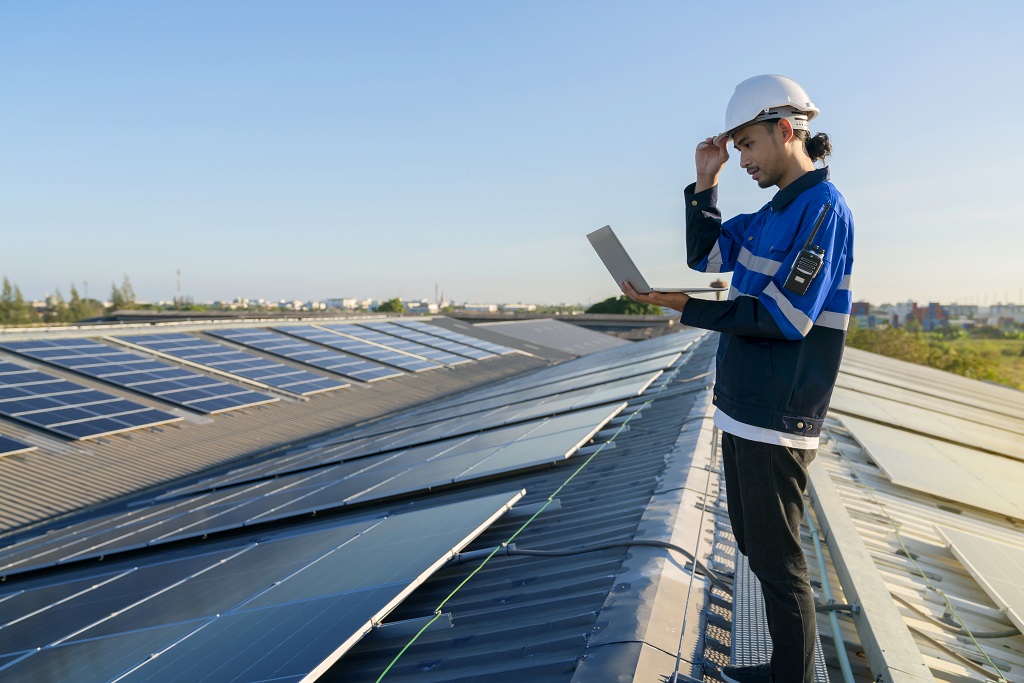
Choosing a commercial solar system is a great move for Melbourne businesses that want to reduce electricity costs and lean into renewable energy. Once it’s running well, solar can deliver reliable savings for years.
But like any piece of electrical equipment, solar systems aren’t completely “set and forget.” Inverter faults, hot spots on panels, and unexpected performance drops can happen—and when they do, they can quietly eat into your savings. The good news is that most issues are easier (and cheaper) to fix when you catch them early. Below, we’ll walk through what to look for, what these problems usually mean, and when it’s time to call in a professional.
Most businesses notice solar problems in one of two places first: their power bill or their monitoring app.
Here are the common red flags:
If your output is down and the weather hasn’t been unusually cloudy, it’s worth investigating. A quick check now can prevent a small problem from turning into downtime or a more expensive repair—later.
If your panels are the “muscle” of the system, the inverter is the “brains.” It converts the DC electricity generated by your panels into usable AC power for your building. When the inverter isn’t working properly, your whole system can drop in output—or stop producing altogether.
Inverter faults are typically caused by:
Most inverters display error codes that help point to what’s going on. While a basic reset can sometimes clear a temporary issue, recurring faults usually need a qualified technician—especially in commercial settings.
Trying to fix inverter problems yourself isn’t just risky; it can also impact warranties. If the same error keeps coming back, it’s best to contact a reputable Melbourne solar company.
| Error Type | Possible Cause | Recommended Action |
| Grid Fault | Grid voltage/frequency outside allowed range | The inverter may restart once the grid stabilises. If it persists, call a technician. |
| Isolation Fault | Wiring issue, moisture ingress, insulation breakdown | System shuts down for safety—book a professional inspection promptly. |
| No Production | Inverter is on, but output is zero/low | Could be panels, wiring, configuration, or the inverter—arrange diagnosis. |
A “hot spot” is a small area of a solar panel that heats up more than the surrounding cells. This usually happens when part of the panel is restricted—so instead of producing electricity evenly, that area starts dissipating energy as heat.
Hot spots can be caused by:
Hot spots can reduce energy output and, over time, contribute to permanent panel damage if they’re not addressed. In severe cases, overheating can increase safety risk, which is why prompt inspection matters.
To reduce the chances of hot spots:
Underperformance is one of the most frustrating problems because it’s not always obvious. Your system might still be “working,” just not delivering the output you expected.
Some of the most common causes include:
A simple way to start diagnosing underperformance:
If you can’t find a clear explanation, call professional commercial solar installers. They can run proper electrical testing and performance checks to pinpoint what’s holding the system back—and get it back to expected production.
The most reliable commercial solar systems are the ones that are maintained like any other business asset: regularly, and with a plan.
A solid preventative approach usually includes:
If your site also uses solar battery storage, include battery health and safety checks as part of the service schedule so charging/discharging behaviour stays within expected ranges.
A one-off glitch can sometimes be fixed with a safe reset, but most commercial solar issues need professional diagnosis. Call a technician if:
When choosing a provider, look for a Clean Energy Council (CEC) accredited commercial solar installer. Accreditation is a good sign you’re dealing with a team that follows industry standards and understands compliance requirements.
GreenGen Solar provides troubleshooting, repairs, and ongoing support for Melbourne businesses—so you’re not left guessing when performance drops.
When a commercial solar system isn’t producing properly, the impact is usually immediate: you pull more electricity from the grid, and bills rise. Over time, that can stretch out your payback period and reduce the ROI you expected.
In some businesses, solar underperformance can also affect costs during higher-usage periods, where grid charges are less forgiving. Staying on top of system health helps you protect savings, reduce downtime, and extend the working life of key components.
Commercial solar should be a dependable, money-saving asset—but inverter faults, hot spots, and underperformance can get in the way if they’re ignored. If your system is throwing error codes, producing less than usual, or showing signs of panel stress, it’s worth getting it checked sooner rather than later.
GreenGen Solar, a leading solar company in Melbourne, helps businesses diagnose issues, restore performance, and keep systems running smoothly with ongoing maintenance and support. Get in touch to book an inspection or speak with our team.
What are the most common signs of inverter faults in commercial solar systems?
Usually, you’ll notice the system cutting out more often than normal, or you’ll see warning lights/error messages on the inverter. Another big clue is when generation drops to near-zero on a sunny day. If the inverter is making unusual buzzing/clicking sounds, that’s also worth getting checked. If any of this is happening repeatedly, it’s time to call a qualified technician.
What maintenance practices can help prevent common issues in commercial solar systems?
A little routine care goes a long way. Regular inspections and performance checks help catch loose connections, early inverter issues, or panel problems before they turn into downtime. Monitoring reviews are also important—data often shows a problem before you can see it. Cleaning can help too, especially on sites with lots of dust, birds, or nearby trees. Many businesses do best with a professional service at least once a year.
How can hot spots affect the overall efficiency of a solar installation?
Hot spots are basically “stressed” areas on a panel that heat up and don’t generate power properly. That means less output, and if the hot spot keeps happening, it can slowly damage the panel and shorten its lifespan.
What are some troubleshooting steps to take if my commercial solar system is underperforming?
Start with your monitoring: check for alerts and compare today’s output with similar days or the same time last year. Then look for simple causes like dirty panels or new shading (tree growth, new rooftop equipment, nearby construction). If nothing obvious stands out—or the drop is big—get a professional inspection so string-level faults, wiring issues, or inverter problems don’t get missed.
Copyright © 2026 GreenGen Solar. All Rights Reserved. USA Web Design by Luminary Software