

 Request a quote
PO BOX 589
Endeavour Hills VIC 3802

Email Us

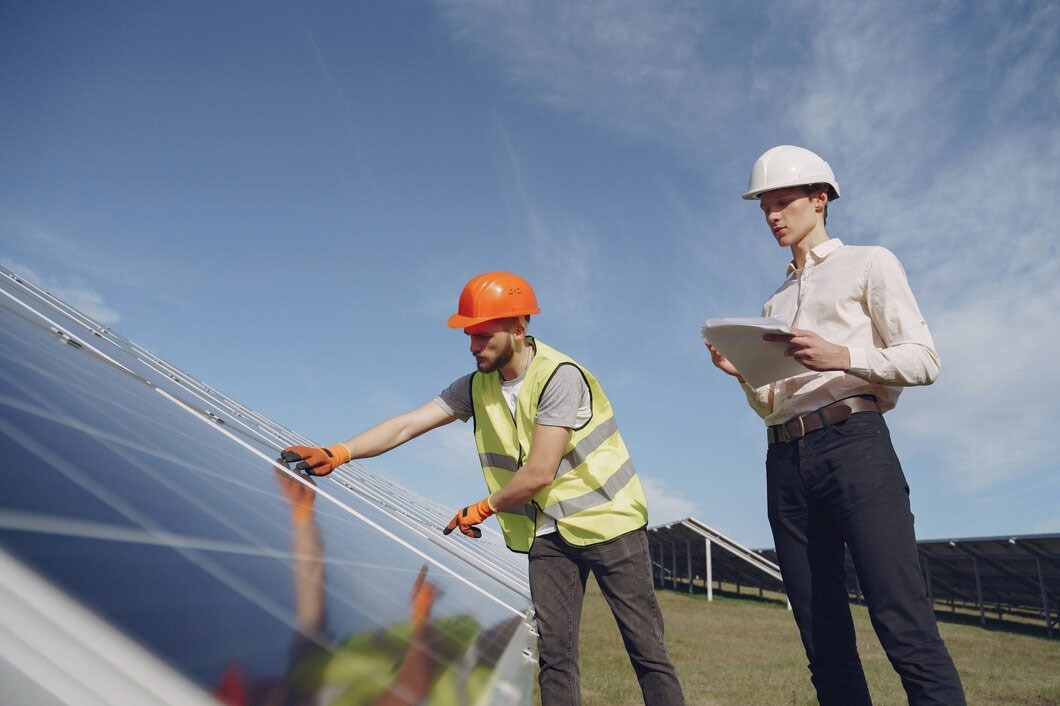
Solar panels are built to last but they’re not maintenance-free. Over time, panels collect dust, grime, leaves, and bird droppings. Even a thin film of dirt can reduce how much sunlight your system absorbs, which means lower generation and higher grid reliance.
Regular maintenance keeps your system working the way it was designed to, including:
Cleaning is part of it, but proper maintenance goes further. A professional service looks for the kinds of issues you can’t see from the ground—then fixes them before they become major failures.
A commercial solar system is a serious asset. The payoff comes from steady generation over years—so anything that reduces output slows your return.
Think of maintenance as a tune-up for your energy investment:
Even small drops in performance add up in commercial settings. If a system underperforms by “just a little” every day, the long-term cost can be bigger than most businesses expect.
Choosing a solar maintenance company in Melbourne: Look for a team that’s experienced with commercial systems, properly accredited/licensed, and set up to provide both preventative servicing and repairs—not just cleaning.
Installation is only the starting point. To keep the financial and operational benefits coming, your system needs routine care—especially in commercial environments where demand is consistent and downtime is expensive.
With regular maintenance, businesses typically get:
So what does maintenance usually involve? In most cases, it comes down to cleaning, inspections, and performance verification—done on a schedule that matches your site conditions.
Commercial systems are all about dependable production. When dirt, grime, or debris blocks sunlight, your output drops—and so do your savings.
Professional servicing helps by:
A well-maintained system is simply more reliable. That reliability is what turns “a solar installation” into “an asset that performs.”
One of the strongest business cases for maintenance is avoiding expensive surprises.
Minor issues—like a degrading cable, a loose connection, or an early inverter fault—can escalate into:
Routine maintenance is cheaper than reactive fixes because it’s designed to catch problems early. Businesses often ask, “How much does solar panel maintenance cost in Melbourne?” Pricing varies by system size, roof access, and site conditions—but it’s typically small compared to the cost of major repairs or prolonged underperformance.
A solid maintenance routine usually includes:
These tasks protect both performance and system lifespan—especially on larger commercial arrays.
A proper inspection is more than a quick look. It’s a structured review of the system’s key components, aimed at finding issues before they cause downtime.
During a typical inspection, technicians may:
Regular inspections are one of the simplest ways to keep a commercial PV system safe, compliant, and performing well over time.
When an inspection finds a problem—or when monitoring shows an unexplained drop in output—repairs focus on fixing the specific issue affecting performance or safety.
Repairs usually start with diagnosis: fault codes, monitoring data, and targeted testing help identify the root cause. From there, technicians either repair the component or replace it if that’s the safer, longer-term solution.
Here’s what professional solar repair services commonly cover:
| Service area | What’s included |
| Inverter repairs | Diagnosing fault codes, resolving overheating issues, addressing shutdowns or full failure. |
| Panel replacement | Safely removing and replacing cracked, damaged, or internally failed panels. |
| Wiring & components | Repairing or replacing degraded cabling, connectors, and faulty DC isolators. |
| System diagnostics | Testing to confirm the fix worked and the system is back to expected performance. |
Repairs aren’t just about getting the system “running again.” They’re about getting it running correctly.
Skipping maintenance puts ROI and safety on the line.
On the business side, neglect often leads to:
On the safety side, unaddressed issues—especially around wiring, isolators, and damaged components—can create electrical faults and increase fire risk. Regular inspections help catch these problems early, when they’re cheaper and simpler to fix.
The most common “early warning” is a drop in energy production. If your monitoring system shows savings sliding for no obvious reason, it’s worth investigating.
Other signs include:
If you spot issues early, you usually avoid bigger downtime later.
Your inverter and monitoring platform are often the first to tell you something’s wrong. Fault lights, error messages, and sudden performance drops are all signals to take seriously.
Common warning indicators include:
If your inverter shows a fault, the safest move is to contact a qualified solar technician—especially for commercial systems.
Melbourne’s “four seasons in a day” climate can affect solar output and maintenance needs.
Bottom line: weather alone won’t keep your panels clean or your system operating at its best. Melbourne conditions make routine checks and cleaning worth budgeting for.
Picking the right maintenance provider matters as much as choosing a good installer. For commercial systems, look for a partner with:
A good provider will be upfront about what’s included, what’s not, and what your system actually needs (not what makes the biggest invoice).
Businesses looking for professional solar maintenance in Melbourne often work with providers like GreenGen Solar, which offers inspection, cleaning, and system diagnostics tailored for commercial installations.
GreenGen Solar follows a clear, business-friendly process:
This approach helps you stay informed and avoids the “we’ll only find out when the bill looks wrong” problem.
For most commercial systems in Melbourne, a professional annual inspection is a strong baseline. Cleaning frequency depends on site conditions—businesses near busy roads, construction, trees, or industrial areas often benefit from more regular cleaning.
Costs commonly depend on:
Businesses can do light-touch checks like reviewing production data in a monitoring app and visually inspecting panels from safe vantage points. However, electrical checks and most cleaning on commercial roofs should be handled by licensed professionals to reduce safety risk and protect warranties.
Copyright © 2026 GreenGen Solar. All Rights Reserved. USA Web Design by Luminary Software